

Social Media

Blackjack

Blackjack How to Play – Rules & Beginner Tips

Learn how to play blackjack. Understand card values, gameplay, and beginner strategies for responsible, informed play.

Blackjack Guide Cambodia – Expert Tips and Strategies

Blackjack Guide – Rules & How to Play

What Is Blackjack?

Blackjack, which is also known as “21,” is one of the most widely recognized and popular casino card games in the world.  It is a blend of talent and luck, allowing players to make decisions that can affect the outcome of each hand.  The primary objective is straightforward: to obtain a hand total that is closer to 21 than the dealer’s without exceeding 21.
Unlike numerous casino games that are wholly reliant on chance, blackjack enables players to enhance their chances by employing basic strategy and probability.  This renders it alluring to both novice players who derive pleasure from acquiring strategic knowledge and seasoned players, who aspire to enhance their abilities. Blackjack is a game that is played in casinos worldwide, both in-person, and online and it is known for its accessibility and excitement.
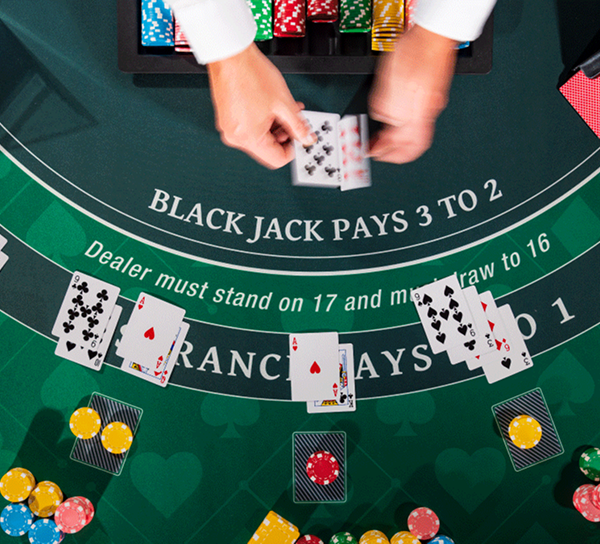
Basic Rules

Blackjack’s regulations, are uncomplicated:
Number cards numbered 2–10 are valued at their face value.
The value of face cards (Jack, Queen, and King), is 10.
Aces can be valued at either 1 or 11, depending on the hand’s overall advantage.
Players are pitted against the dealer, rather than against one another. Two cards are dealt to the dealer, and each participant at the outset of the game. Players are then required to determine whether to hit (receive an additional card), stand (maintain their current total), double down or divide pairs. The dealer adheres to specific regulations when drawing cards, typically standing on 17 and higher.
The stages are resolved rapidly, and the game is fast-paced. It is imperative to comprehend the values of cards, and the potential outcomes in order to make well-informed decisions during gameplay.

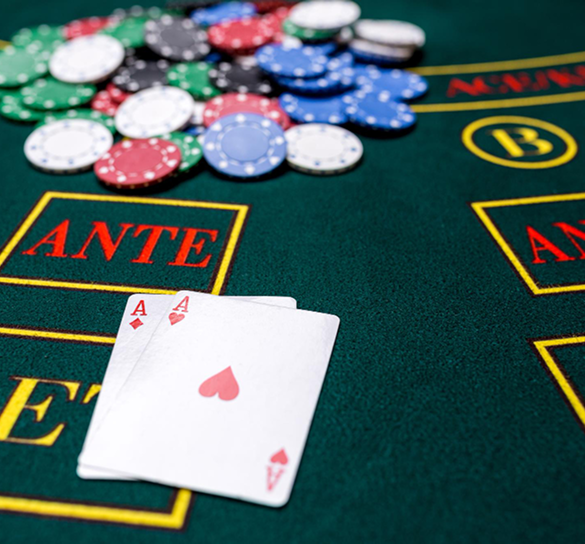
Everything You Need in One Place

  1. Place a Bet: Each round begins, with players placing their wager within the table limits.
  2. Receive Two Cards: Players receive two face-up cards. The dealer receives one face-up and one face-down card.
  3. Player Decisions: subject to the total, and the dealer’s visible card:
  4. Hit: Add an extra card to the total.
  5. Stand: Maintain the current hand total.
  6. Double Down: The initial wager is doubled in exchange for one final card.
  7. Split: If the first two cards are of the same rank, divide them into two hands, and play them independently.
  8. Dealer Plays: Following the completion of all participants’ actions, the
    dealer discloses the face-down card, and draws in accordance with predetermined regulations (typically hitting until the hand totals at least 17).
  9. Compare Totals: The hand that is closest to 21 wins. A “push” is the outcome of a tie, in which the original wager is returned.
  10. Payouts Are Made: Blackjack hands (Ace + 10-point card) typically pay 3:2, while winning wagers are paid 1:1. Payouts are calculated accordingly.

Tips or Beginner Strategies

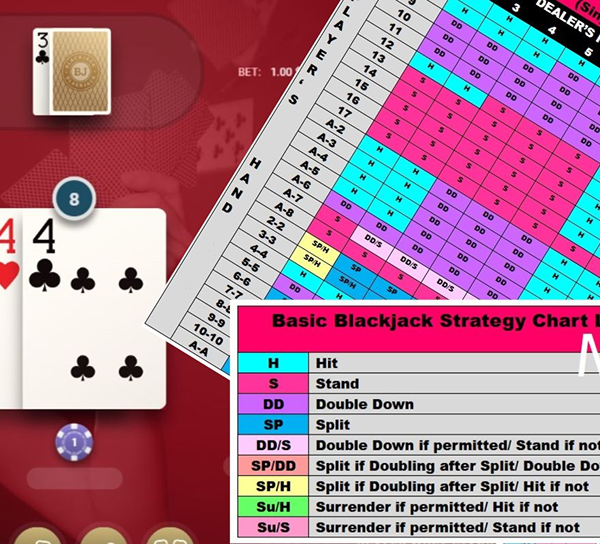
  • Learn Basic Strategy Charts: These charts outline the statistically optimal course of action for each player’s hand in the context of the dealer’s upcard.
    • Hit under 12: It is imperative to take a hit, when your total is 11 or lower, as you are unable to explode.
    • Stand on 17 or higher: It is safest to remain seated, particularly if the dealer reveals a low card.
    • Avoid Insurance Bets: These side wagers are rarely advantageous to the player in the long term.
    • Manage Your Bankroll: Establish session limits and adhere to them even in the face of losses.

Example Round

  • Assume that you are dealt a 9 and a 7 (a total of 16), and the dealer’s face-up card is a 6. The dealer has a high probability of breaching, which is why the basic strategy recommends standing. Comprehension of these scenarios is an essential component of blackjack novice strategy.

Understanding Blackjack Odds

  • The house margin in blackjack can be reduced to approximately 0.5% with the implementation of an optimal strategy, which is among the lowest among casino games. This illustrates the rationale behind the recognition of knowledge and meticulous decision-making. It is imperative for novices to comprehend that fate continues to be a factor, but skill can have a substantial impact on the outcome.

Common Mistakes to Avoid

Imitating the decisions of other participants without comprehending the underlying reasoning.
Without evaluating the dealer's visible card, the player doubles down.
Chasing losses through emotive decisions rather than strategic ones.
Ignoring the fact that ties typically favor the vendor in a push scenario.
Neglecting probability and exaggerating fate.

Responsible Gaming Reminder

Blackjack is an activity that fosters perseverance, strategy, and skill. It is imperative to prioritize the acquisition of knowledge about the game, the development of decision-making skills and the enjoyment of the process over the pursuit of victories. Establish boundaries for both time and money, and take pauses to preserve your perspective.