


A complete beginner’s guide to poker. Learn hand rankings, betting rounds, and key strategies for safe and responsible play.
Poker Guide – Rules & How to Play
Poker is a traditional card game that integrates probability, psychology, and strategy. Skill and decision-making are critical components of success in this game, as players vie against each other rather than the house, which is a departure from the majority of casino games. There are numerous variations of poker but Texas Hold’em is the most globally renowned.
Poker’s allure is derived from its combination of skill and luck. Players are required to evaluate the odds, observe the actions of their opponents, and determine whether to wager, call, or fold. Although the game can be enjoyed leisurely by anyone, the experience is significantly improved by comprehending hand rankings, betting rounds and strategic considerations. Poker is a preferred pastime for both novices and seasoned participants due to its intellectually stimulating, competitive and social aspects.
A conventional 52-card deck is employed to play poker. While each variant has its own set of regulations, they all share the following:
Hole cards are distributed to players which are private cards that are only visible to them.
In Texas Hold’em and Omaha, community cards are dealt face-up for communal use.
The optimal five-card hand is generated by players by combining their hole cards and community cards.
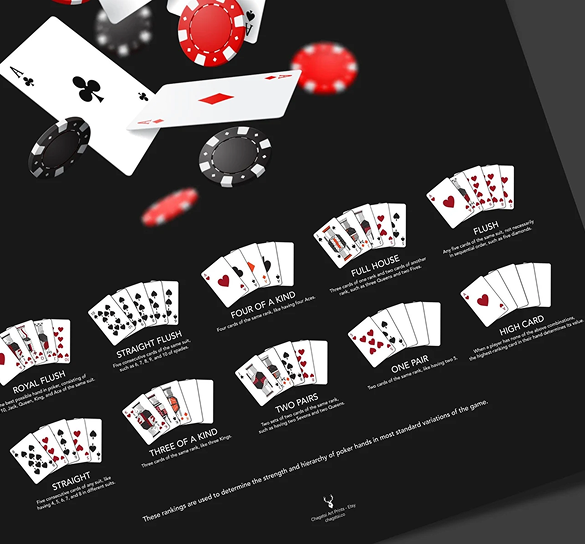
The conventional poker hand rankings are used to determine the winning hands.
A critical element of poker is betting. Players bet coins in order to maintain their position in the hand or to sway the decisions of their opponents. Bluffing, position and the ability to assess other players are strategic tools that elevate poker beyond a game of pure chance.
This process is repeated for each hand providing participants with numerous opportunities to strategize, and make decisions based on observed behaviors, and odds.


Engaging in an excessive number of hands without conducting an assessment of their potential.
Ignoring the sizing of bets and the probabilities of the pot.
Pursuing losses or attempting ``revenge plays.``
Making decisions based on sentiment rather than logic, and probability.
Underestimating the effectiveness of bluffs or misreading opponents.

It is crucial to approach poker responsibly, as it can be a highly gregarious, and engaging activity. Refrain from allowing competitive inclinations to result in excessive risk, and consistently establish spending and time constraints. Concentrate on learning, strategy and enjoyment rather than relying on victories.