
Social Media

Responsible Gaming Self-Assessment

Self-Assessment – Responsible Gaming Check

Evaluate your gambling habits with this self-assessment guide. Learn to recognize risks and maintain control for safe play.

Self-Assessment for Responsible Gaming Cambodia

Responsible Gaming Self-Assessment – Check Your Habits

What Is a Responsible Gaming Self-Assessment?

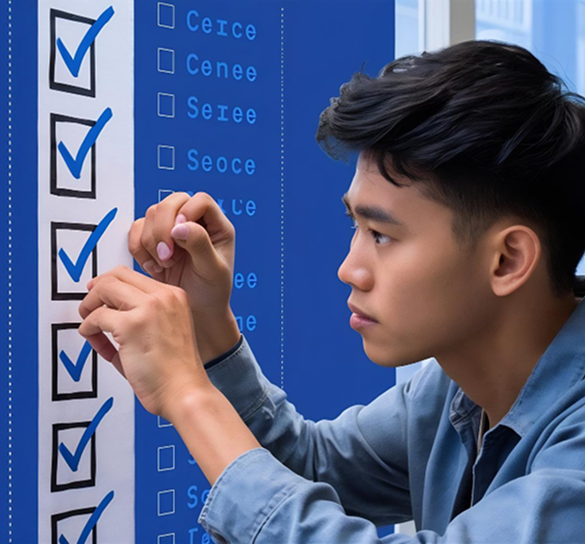
A responsible gaming self-assessment is a personal instrument that is intended to assist players in the evaluation of their gambling behaviors, the identification of potential risks and the determination of actions to maintain control. Notably, it is not a test that yields pass or fail results; rather, it serves as a reflection guide. Players can ensure that their gambling experience is both safe and pleasurable by conducting an honest evaluation of their habits and implementing strategies to make informed decisions.
Self-assessment fosters awareness, enabling players to discern whether gambling, is solely recreational or is beginning to disrupt other aspects of their lives. Small issues can be prevented from developing into more significant problems through consistent self-inspection.
Why Self-Assessment Is Important

Reviewing one’s gambling practices can be advantageous for even the most seasoned players. Self-assessment is beneficial for:

  • Recognize patterns of conduct that may be hazardous.
  • Identify the emotional factors that influence the decision to place a wager.
  • Strive to maintain equilibrium between gaming and other aspects of existence.
  • Promote the utilization of readily accessible resources and instruments.

Regular self-reflection fosters responsible play and diminishes the probability of financial, social, or emotional challenges associated with gambling.

Key Questions to Consider

Reflect on the following, when conducting a self-assessment:

  • Do you gamble primarily for entertainment, or do you expect to win money?
  • Have you ever spent more money on gambling than you intended?
  • Do you find it challenging to discontinue playing once you have begun?
  • Have your friends, or family members conveyed apprehension regarding your gambling behavior?
  • Do you engage in gambling as a means of alleviating tension, boredom, or other emotions?
  • Have you ever attempted to recover losses by borrowing money or continuing to gamble?

Responding truthfully facilitates the identification of behaviors that may necessitate modification or attention.


Indicators of Problematic Gambling

There are specific indicators that indicate, that wagering may be becoming problematic:

  • Increased duration or frequency of wagering sessions.
  • Gambling while disregarding obligations or social relationships.
  • Experiencing feelings of anxiety, restlessness or irritability in the absence of wagering.
  • Pursuing losses, or taking on additional risks in order to recoup funds.
  • Utilizing gambling as a primary method of managing tension or negative emotions.

Players can take proactive measures such as setting stricter limits or seeking professional support, by recognizing these indicators early.

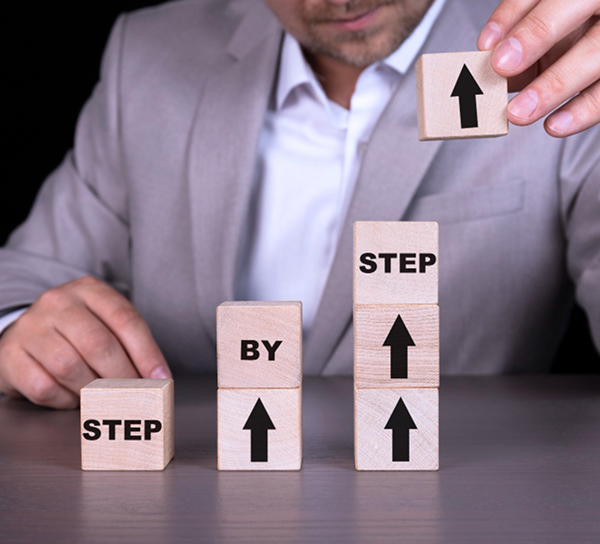
Steps to Improve Control

Practical measures can be taken to regain equilibrium, if a self-assessment identifies areas of concern:

  • Set Time and Money Limits: Determine the amount of time, and money you will allocate in advance. Adhere to these restrictions rigidly.
  • Use Platform Tools: Numerous online, and offline casinos provide deposit limits, reality checks, and self-exclusion options.
  • Take Breaks: Consistently pausing during wagering sessions, can assist in the preservation of perspective and the mitigation of impulsive decisions.
  • Seek Support: If wagering begins to have a detrimental impact on one’s life, consult with family, friends or trained counselors.
  • Diversify Activities: To prevent gambling from monopolizing your leisure time, participate in hobbies, athletics or social events.

These strategies assist participants in maintaining control and guaranteeing that gambling remains a positive and enjoyable experience.

Practical Tips for Reflection

  • Record the duration, expenditures and emotions of your wagering sessions in a journal.
  • Examine your behaviors on a weekly basis to identify any trends, or modifications in your behavior.
  • When experiencing tension, upset, or fatigue, it is advisable to refrain from engaging in gambling.
  • Incentivize yourself for making responsible decisions such as adhering to boundaries, or taking pauses.
  • It is important to bear in mind that losses are an inherent aspect of the experience and no system can guarantee success.

Consistent introspection reinforces responsible gaming behaviors and promotes the development of positive habits.

Responsible Gaming Reminder

In order to sustain secure gambling practices, it is essential to establish boundaries, engage in self-monitoring and seek assistance, when required. Maintaining control over one’s conduct guarantees that casino experiences are pleasurable, and do not have an adverse effect on one’s personal life or finances, regardless of whether they are conducted online or in person.